|

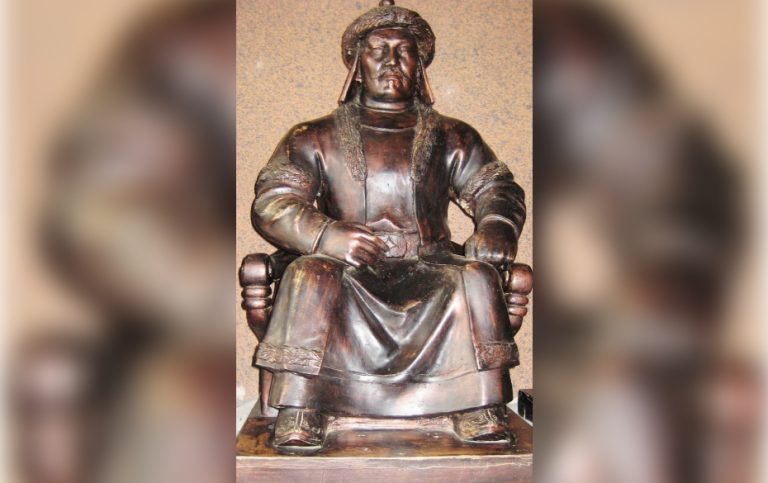
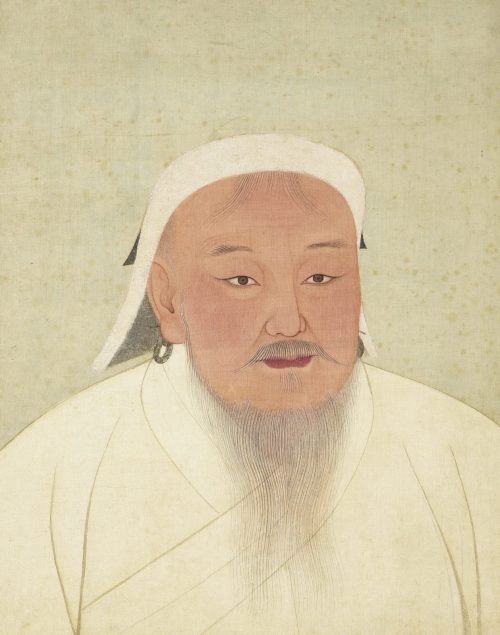
Genghis khan

Similar Posts

  • |

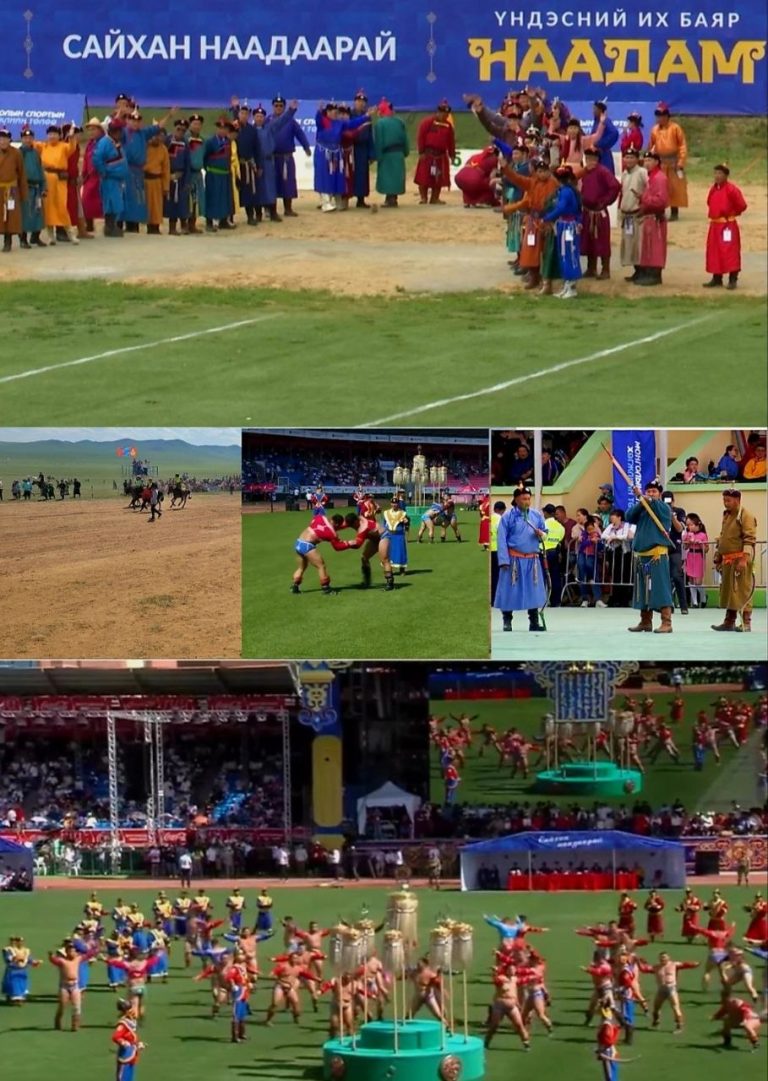
    Mongolian Naadam

    The Mongolian Naadam is a “National Festival” that symbolizes the independence and sovereignty of Mongolia. The Mongolian Naadam dates back to the 1st – 2nd centuries BC, when the unified state of the Hunnic Empire was established. At that time, horses, wrestling, and martial arts were considered the beginning of a united state. The Hunnics…

  • |

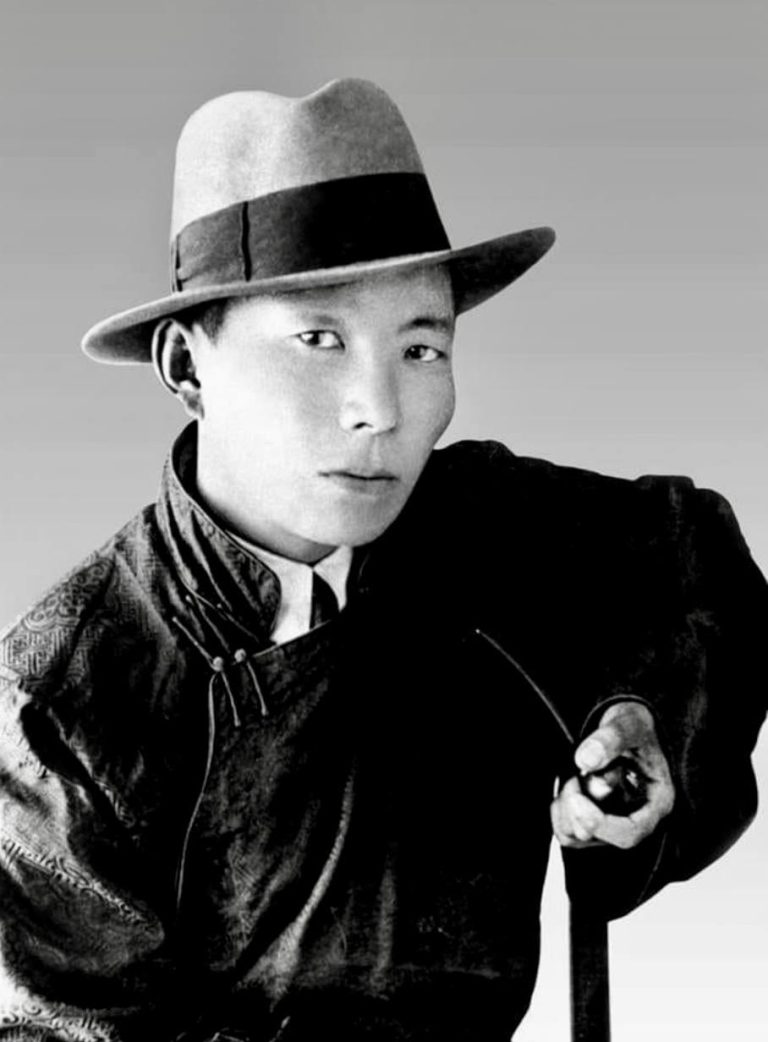
    Dashdorjiin Natsagdorj

       Dashdorjin Natsagdorj, the founder of modern Mongolian literature, poet, writer, and translator, was born in 1906 in a place called Gun Galuutai, in the former Darkhan Chin Wangi khoshuu of Tusheetkhan aimag, now Bayandelger soum of Tuv aimag, as the son of a poor nobleman.  In 1913, when he was 7 years old, his mother Pagma died. His father worked as a scribe in the Ministry of War. In 1914, they moved to the Niislel region. In 1915, when Natsagdorj turned 9, he was taught to read and write by a nobleman named Altangerel of the Great Region. From that time on,…

  • |

    Gandantegchinlen Monastery

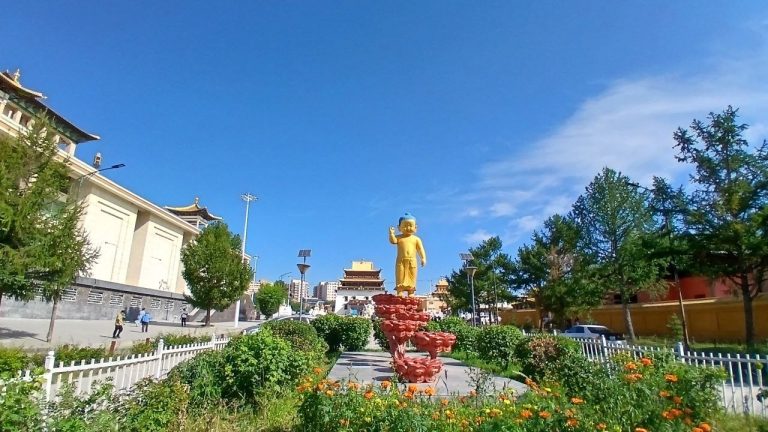
    Gandantegchenlin Monastery, the largest Buddhist monastery, is located in Ulaanbaatar, Mongolia’s capital, in the city center, in the historic Gandan Hill district. It is currently home to over 150 monks. The monastery houses the famous 26-meter-tall statue of the bodhisattva Avalokiteshvara, “Megzhid Zhanraiseg.” A brief history of the monastery is as follows: In 1809, a…

  • |

    Greece is the birthplace of great people and the Olympic Games. 

    Greece is an ancient and great country. The Greeks invented many concepts that are considered classic today: government, democracy, architecture, philosophy, science, and so on. The contributions of the Greek people to human history are enormous. Famous and talented people from ancient times hail from Greece, including Aristotle, Socrates, Plato, Homer, Herodotus, Hippocrates, Sophocles, Euripides,…

Leave a Reply

Your email address will not be published. Required fields are marked *