-
-
ШХА-аас дэлхийн сорилтуудад хариу өгч сурлаа
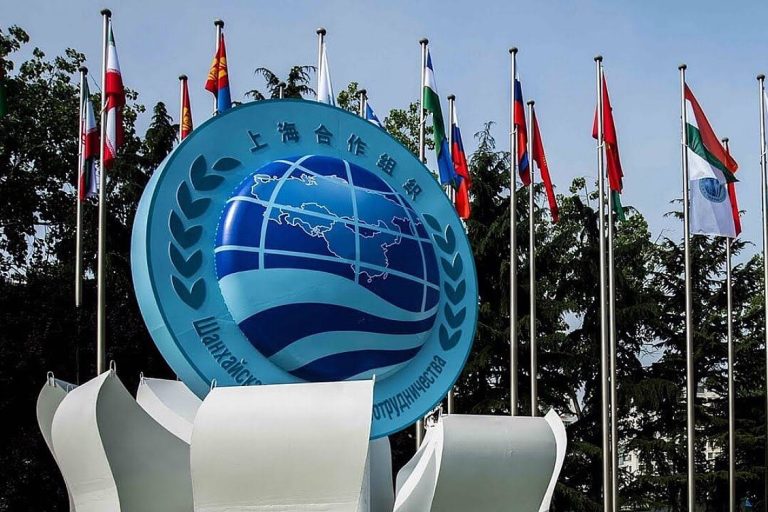
Бишкек хот наймдугаар сарын 31-нээс есдүгээр сарын 1-ний хооронд болох ШХА-ын дээд хэмжээний уулзалтад бэлтгэж байна. Энэ жил Шанхайн хамтын ажиллагааны байгууллага (ШХА) Шанхай хотод үүсгэн байгуулах бичиг баримтад гарын үсэг зурсны 25 жилийн ойгоо тэмдэглэж байна. Одоо тус нэгдэлд Евразийн ихэнх хэсгийг эзэлдэг нийт 10 гишүүн улс, 14 яриа хэлэлцээний түнш, 2 ажиглагч улс…
-
Gandantegchinlen Monastery
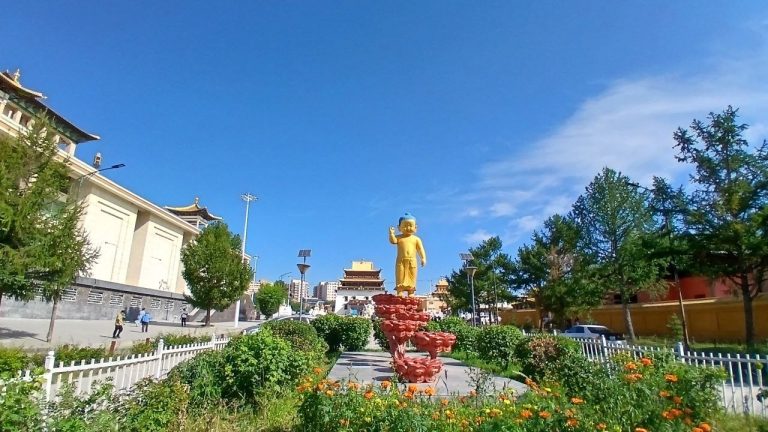
Gandantegchenlin Monastery, the largest Buddhist monastery, is located in Ulaanbaatar, Mongolia’s capital, in the city center, in the historic Gandan Hill district. It is currently home to over 150 monks. The monastery houses the famous 26-meter-tall statue of the bodhisattva Avalokiteshvara, “Megzhid Zhanraiseg.” A brief history of the monastery is as follows: In 1809, a…
-
Tsagaan Sar
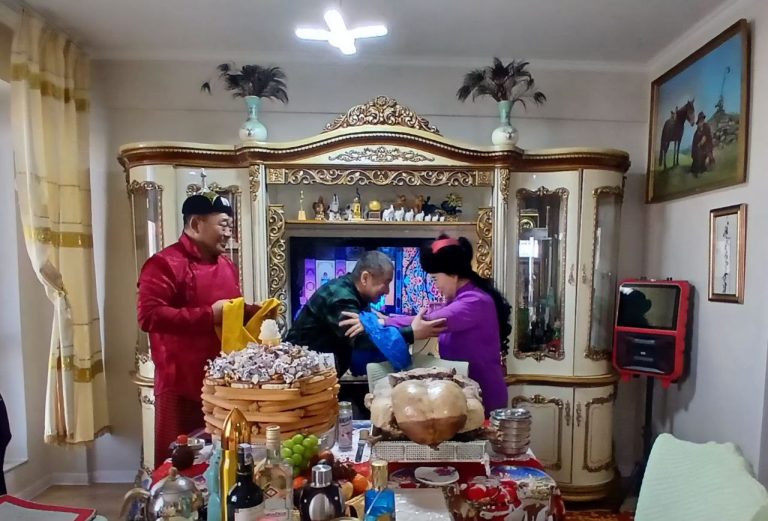
Tsagaan Sar is a solemn holiday of the Mongolian peoples, marking the beginning of spring and the New Year according to the lunisolar calendar. Tsagaan Sar originates in the religious traditions of the Mongolian peoples and has been celebrated since ancient times. It symbolizes the renewal of man and nature, openness and purity of thoughts,…
-
Mongolian Naadam
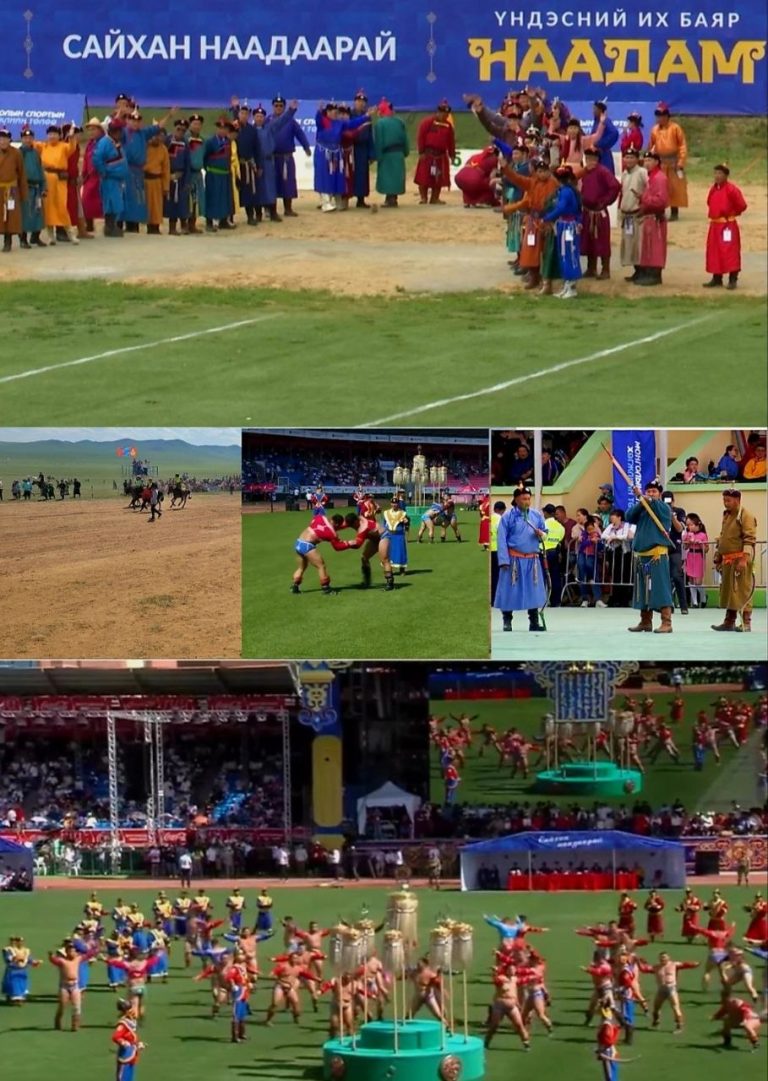
The Mongolian Naadam is a “National Festival” that symbolizes the independence and sovereignty of Mongolia. The Mongolian Naadam dates back to the 1st – 2nd centuries BC, when the unified state of the Hunnic Empire was established. At that time, horses, wrestling, and martial arts were considered the beginning of a united state. The Hunnics…
-
Coffee and the magic of India
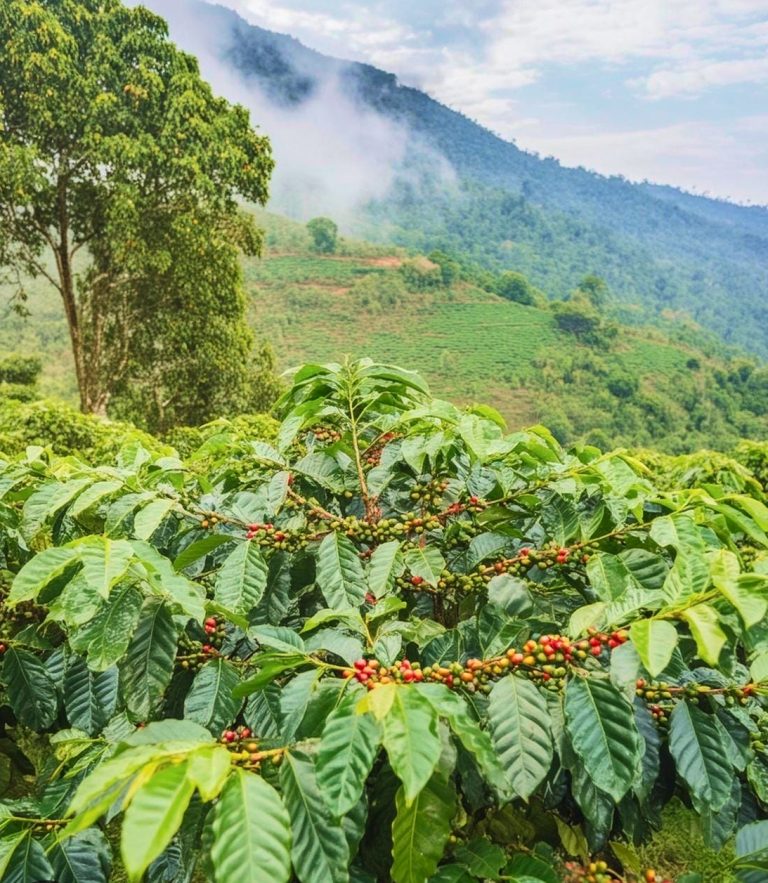
India is traditionally associated with tea. And indeed, how wonderful can a masala chai be, accompanied by freshly roasted spices and sweet rusks with cardamom. However, another, lesser-known but equally fascinating aspect of Indian culture is coffee, which is a staple of everyday life, especially in the south, where it has been cultivated and consumed…
-
Battles of Khalkhin Gol
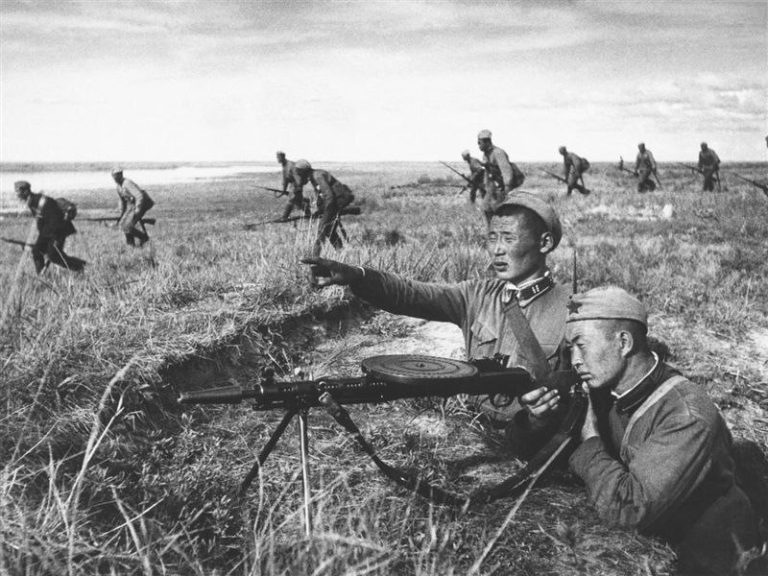
Battles took place on land and in the air. After the Japanese failed to break through the defenses, Soviet troops under the command of Georgy Zhukov carried out a brilliant offensive operation in August 1939, completely encircling and destroying the enemy’s main forces. An armistice was signed on September 16, 1939. Japan recognized the existing…
-
Yuan Dynasty. Kublai Khan
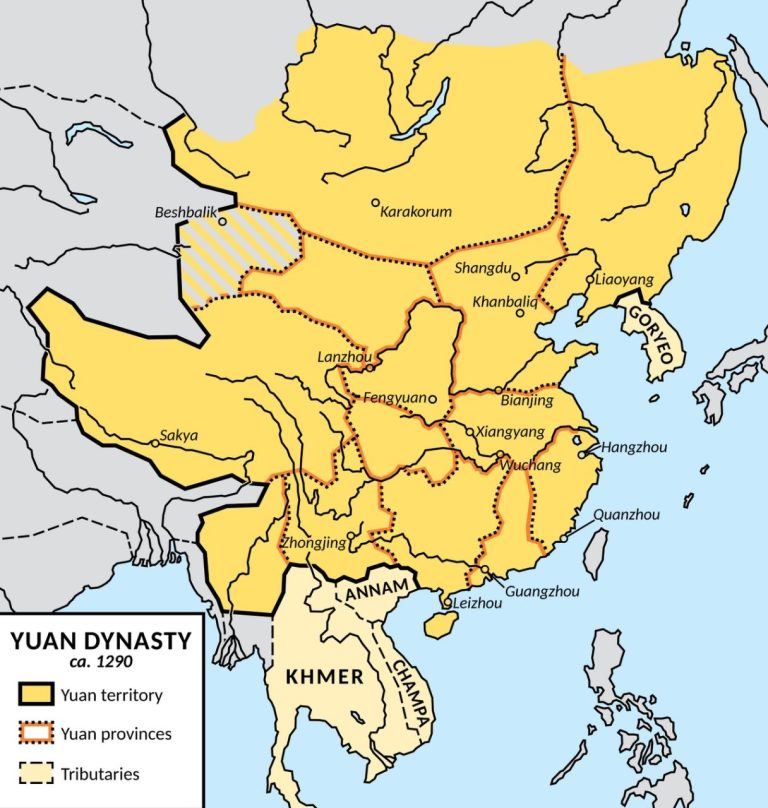
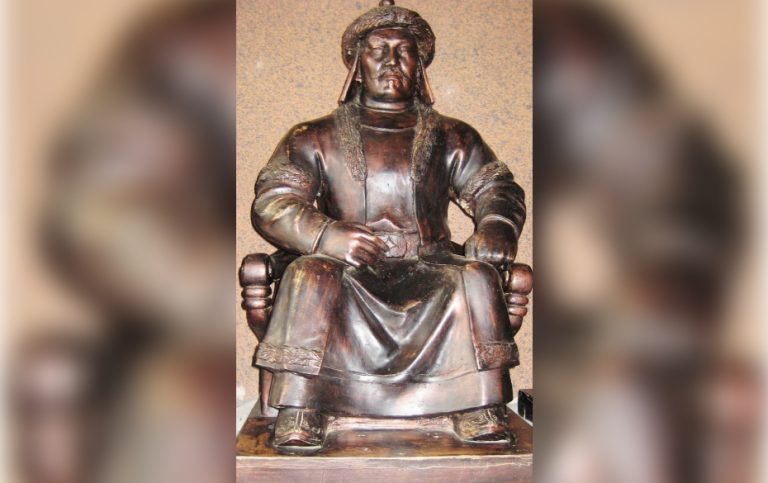
The Yuan Dynasty was the continuation of the Mongol Empire and was the center of the largest empire in history, and was a feudal society that occupied the lands of Mongolia, China, and Korea, founded by the Mongols. The Yuan Dynasty in East Asia was founded by Kublai Khan, the grandson of Genghis Khan, from…
-
Archimedes
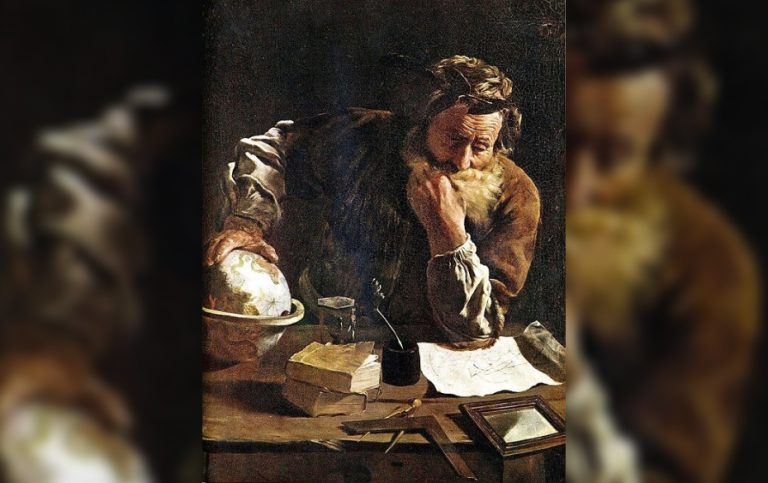
The great ancient Greek scientist, mathematician, physicist, mechanic, and engineer Archimedes lived from 287 to 212 BC in Syracuse. He laid the foundations of hydrostatics and classical mechanics, and was far ahead of his time in mathematical calculations. Key achievements and discoveries: Archimedes’ principle: Any body immersed in a liquid or gas experiences a buoyant…
-
Chagatai Khanate (Uls)
In 1224, Genghis Khan, the founder of the Great Mongol Empire, divided his state into four uluses, each corresponding to the number of his sons. His second son, Chagatai, inherited Transoxiana and the surrounding territories. Since 1326, Islam has been the official religion of the Chagatai Ulus. At its peak in the late 13th century,…