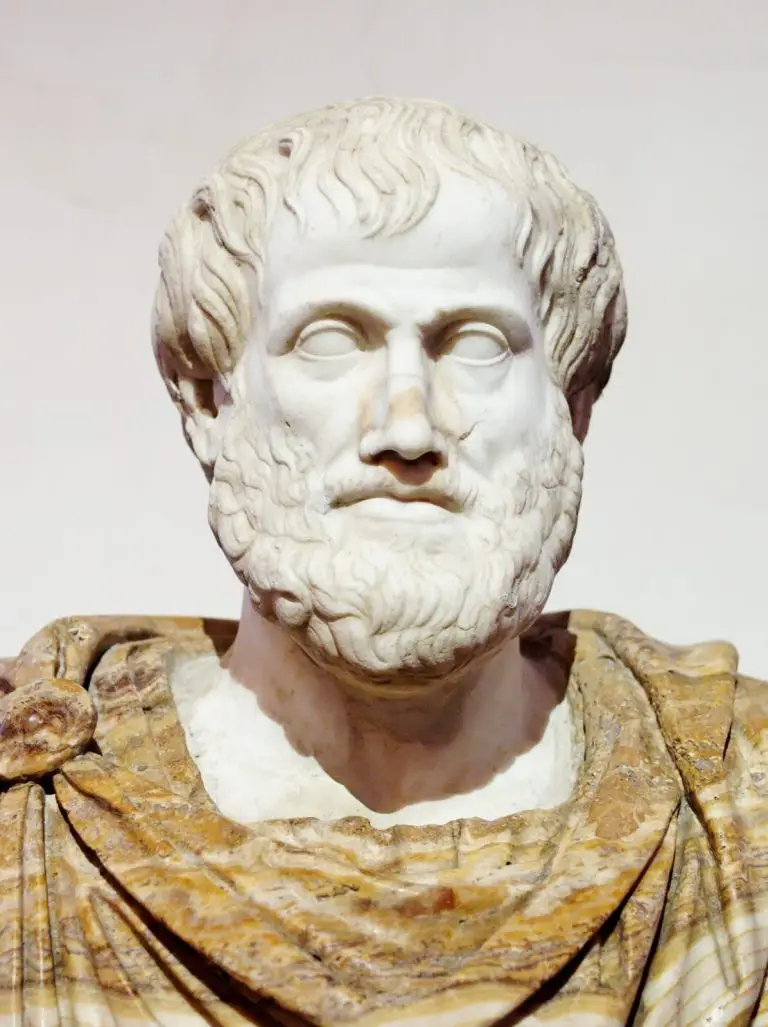
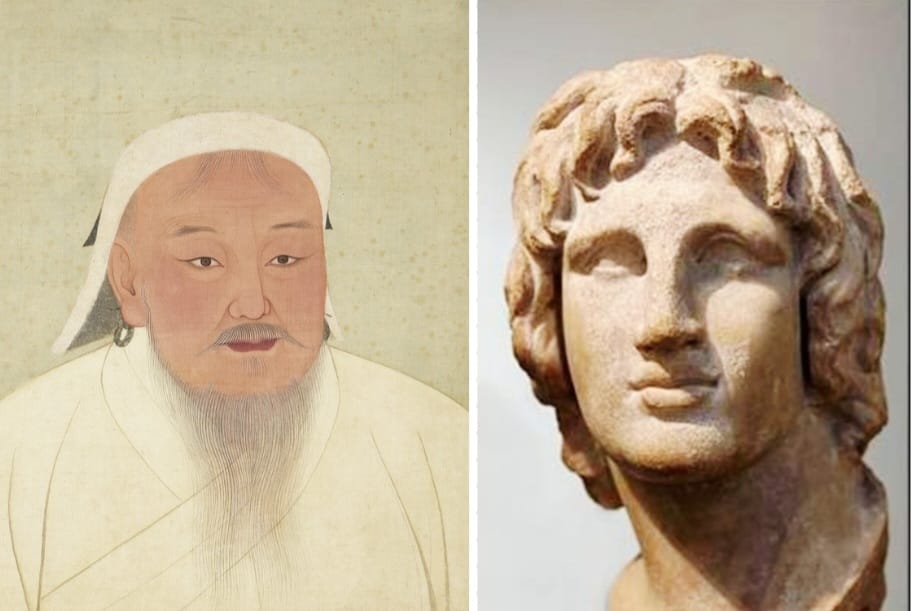
Genghis Khan and Alexander the Great were two outstanding historical figures whose conquests changed the fate of Eurasia. They lived in different eras and belonged to different civilizations, but both were united by the desire to create a state capable of uniting vast territories, peoples, and cultures.
Their historical legacy allows them to be seen as the creators of two great imperial projects in Eurasia: Alexander’s Hellenistic world and Genghis Khan’s Mongol Empire.
Alexander the Great – founder of the Greek Empire and unifier of West and East.
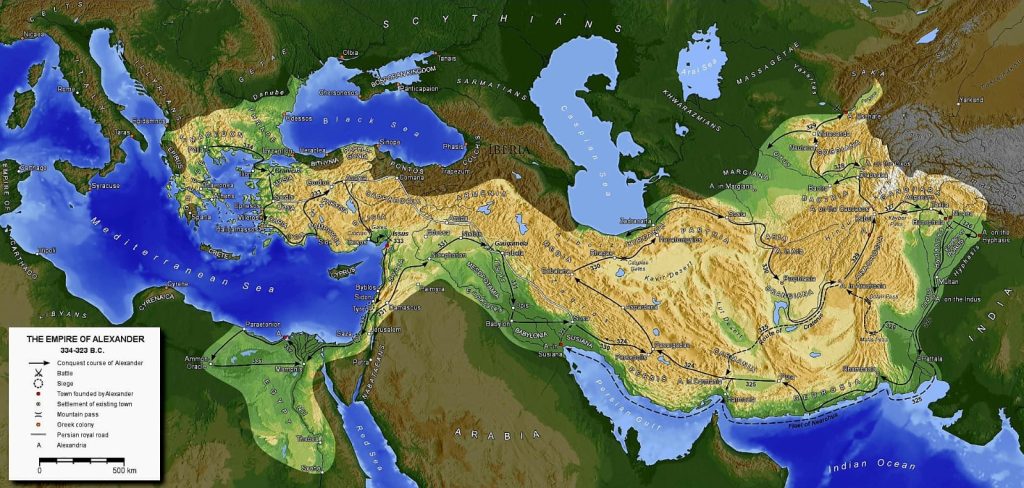
Alexander the Great (356–323 BC), the Great Son of the Greek People, quickly created a vast empire stretching from the Balkans and Egypt to Persia and northwestern India.
His campaigns destroyed the Achaemenid Empire and ushered in a new era of interaction between Greek and Eastern civilizations.
Alexander the Great’s major achievements:
* Military unification of vast territories – the creation of a power that encompassed a significant portion of the world then known to the Greeks.
* Founding of cities – the most famous, Alexandria in Egypt, became a major center of science, trade, and culture.
* Spread of Hellenistic culture – the Greek language, art, philosophy, and political traditions became widespread in the East.
* Connecting civilizations – cultural, commercial, and intellectual contacts intensified between the Mediterranean, Western Asia, and Central Asia.
After the death of Alexander the Great, Hellenistic civilization continued to exist for centuries.
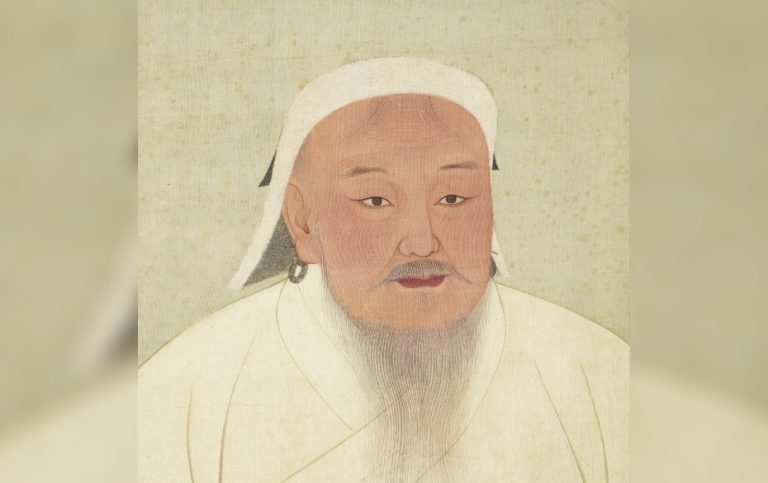
Genghis Khan – the founder of the Mongol Empire and the unifier of East and West.
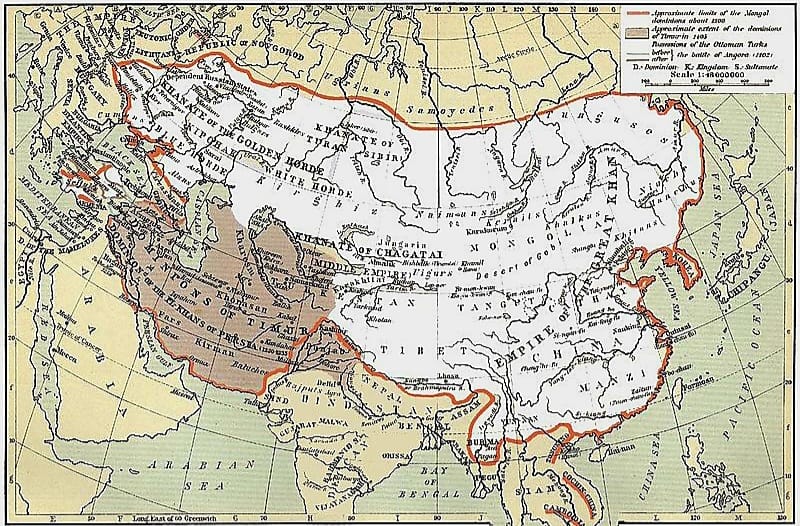
Genghis Khan (1162–1227) was the founder of the Great Mongol Empire. In 1206, he united the main Mongol tribes under his rule and received the title of Genghis Khan. The Great Mongol Empire of Genghis Khan is the largest empire in human history, and under his successors, Mongol dominions extended from East Asia to Eastern Europe.
The main achievements of Genghis Khan and the empire he created were:
* Unification of the Mongol tribes – the formation of a single political and military center for the steppe world.
* Creation of an imperial system of governance – strengthening discipline, military organization, and mechanisms for subordinating vast territories.
* Expansion of Eurasian ties – developing contacts between China, Central Asia, the Middle East, and Europe.
* Ensuring trade communications – under Mongol rulers, the movement of merchants, diplomats, travelers, and ambassadors along Eurasian routes intensified.
Despite a thousand-year time difference, these two empires are united by the idea of a Eurasian space. Alexander the Great and Genghis Khan are two great figures in world history, whose imperial projects changed the historical fate of Eurasia.
Alexander the Great left behind a legacy of the Hellenistic world, where Greek and Eastern traditions interacted.
Genghis Khan founded the Mongol Empire, which linked vast expanses of Asia and Europe with a unified system of political and trade communications.
The legacies of Genghis Khan and Alexander the Great remind us that the history of Eurasia was shaped not only by wars and conquests, but also by migrations, trade, and scientific and cultural exchanges between peoples.
Alexander the Great and Genghis Khan represent two different historical paths to the creation of great powers that left a profound mark on human history.
Prepared by B. Bolortsetseg
View and download PDF – Genghis Khan and Alexander the Great – Founders of Eurasian Empires