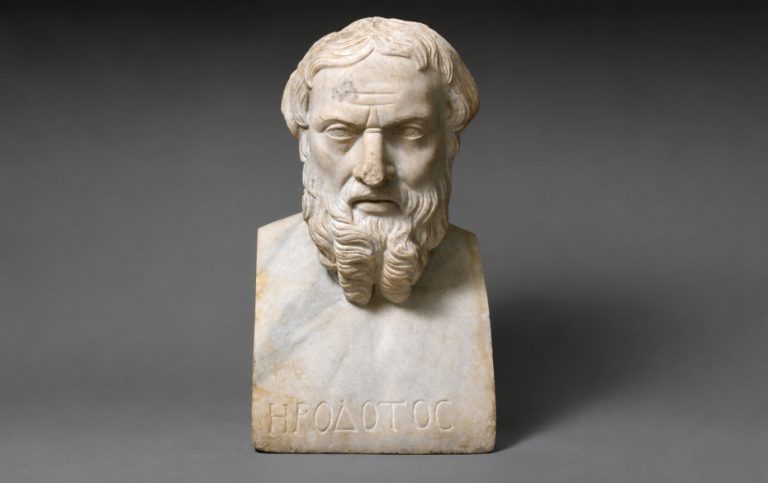
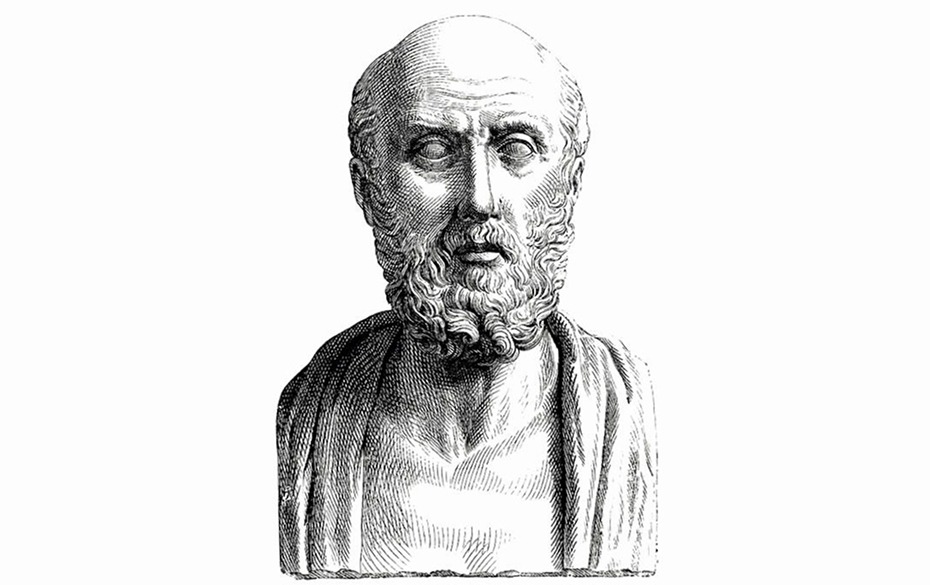
Hippocrates was a prominent ancient Greek physician, traditionally called the “father of medicine.” He had a profound influence on the development of medical science and medical ethics.
Hippocrates was born around 460 BC on the island of Kos in Ancient Greece. According to ancient tradition, he came from a family of physicians. He received a medical education and traveled extensively, gaining practical experience.
In contrast to the widespread beliefs of his time, which associated diseases with divine intervention and supernatural forces, Hippocrates sought to explain illnesses through natural causes. He carefully observed patients, described the symptoms and progression of illnesses, compared different cases, and drew conclusions based on his observations.
Hippocrates died, presumably around 370 BC, in the city of Larissa in Thessaly.
Hippocrates’ great achievements:
1. Development of rational medicine. Hippocrates facilitated the transition from mythological explanations of disease to observation, analysis, and the search for natural causes.
2. Clinical observation.
He placed particular importance on examining the patient, studying symptoms, the nature of the disease, and its progression. This approach became an important foundation of clinical medicine.
3. The doctrine of the causes of disease.
Hippocrates and his school viewed health as the result of a balance of processes in the body, and disease as a disruption of this balance.
4. The development of medical ethics.
The name of Hippocrates is traditionally associated with the Hippocratic Oath, which has become one of the most famous symbols of the medical profession. It emphasizes the physician’s responsibility, the need to help the patient, and maintain medical confidentiality.
5. Description of diseases.
The corpus of medical writings associated with Hippocrates and his school contains numerous descriptions of symptoms, methods of observation, and treatment of various diseases.
The Hippocratic Corpus
The Hippocratic Corpus, a collection of approximately 60 ancient Greek medical works, has survived to this day.
Hippocrates’s Significance in World History:
Hippocrates’s main legacy lies not only in his specific medical recommendations, many of which are now outdated, but above all in his method of medical thinking: observing the patient, describing symptoms in detail, seeking natural causes of the disease, and evaluating treatment outcomes.
This is why Hippocrates occupies a special place in the history of medicine and is traditionally considered one of the founders of the scientific and ethical approach to medicine.
Prepared by B. Bayartsetseg