Mongolian Naadam
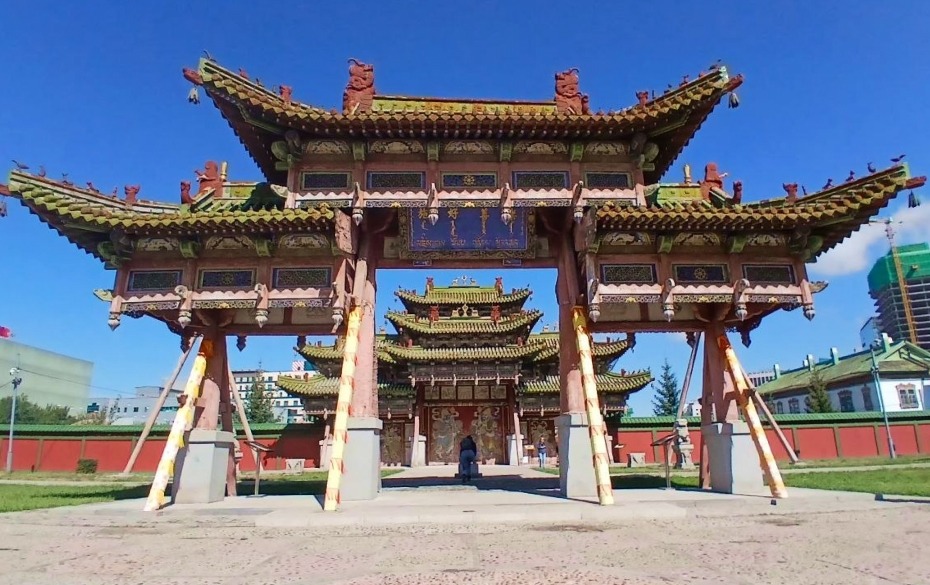
The Mongolian Naadam is a “National Festival” that symbolizes the independence and sovereignty of Mongolia. The Mongolian Naadam dates back to the 1st – 2nd…

Popular science journal

The Mongolian Naadam is a “National Festival” that symbolizes the independence and sovereignty of Mongolia. The Mongolian Naadam dates back to the 1st – 2nd…

India is traditionally associated with tea. And indeed, how wonderful can a masala chai be, accompanied by freshly roasted spices and sweet rusks with cardamom….

Battles took place on land and in the air. After the Japanese failed to break through the defenses, Soviet troops under the command of Georgy…

The Yuan Dynasty was the continuation of the Mongol Empire and was the center of the largest empire in history, and was a feudal society…

The great ancient Greek scientist, mathematician, physicist, mechanic, and engineer Archimedes lived from 287 to 212 BC in Syracuse. He laid the foundations of hydrostatics…

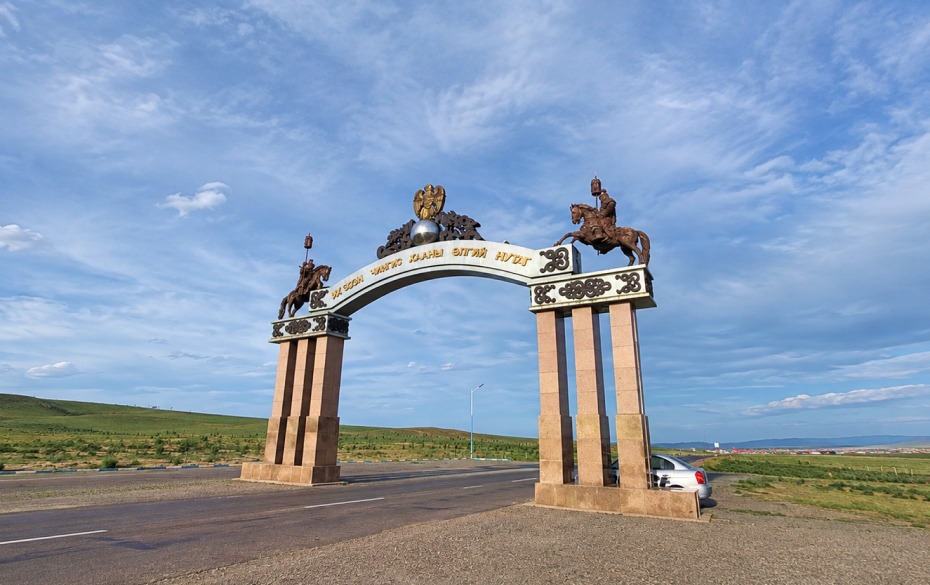
In 1224, Genghis Khan, the founder of the Great Mongol Empire, divided his state into four uluses, each corresponding to the number of his sons….

On July 11, 1921, a wooden platform was erected on the square, in front of today’s Opera House, from which Prime Minister D. Bodo proclaimed…

The great son of the Mongolian people, Genghis Khan, was a just, wise, and brave man. Genghis Khan’s birth name was Temujin. Temujin’s youth was…

Bukhara is a sacred land associated with the name of the great scientist of medical science Abu Ali Ibn Sina. In this country, the scientific…

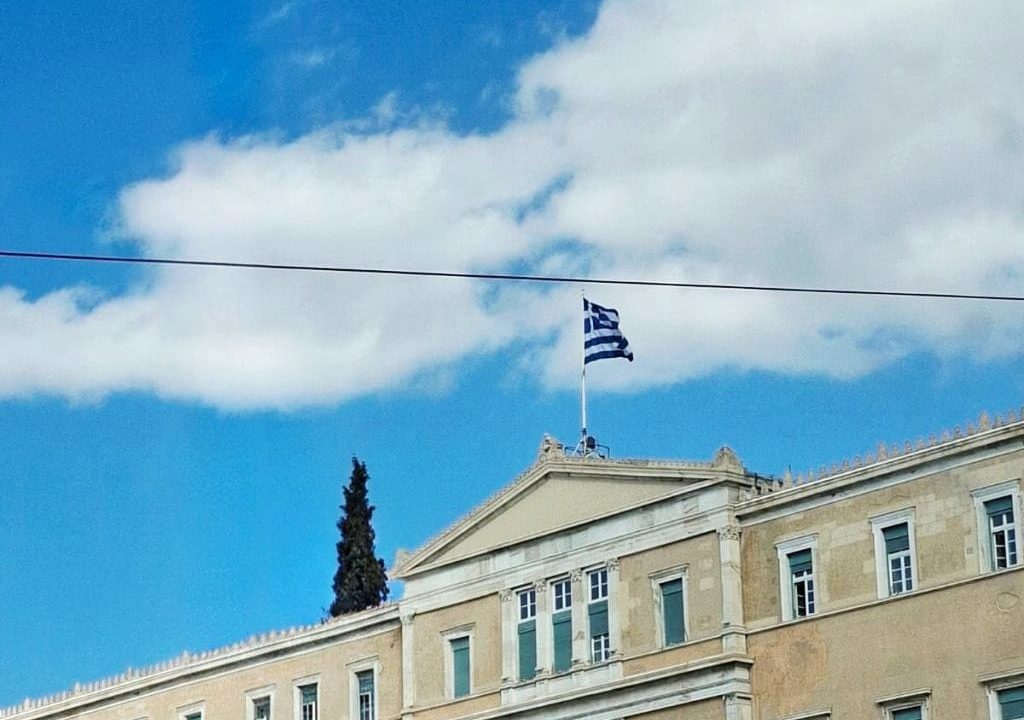
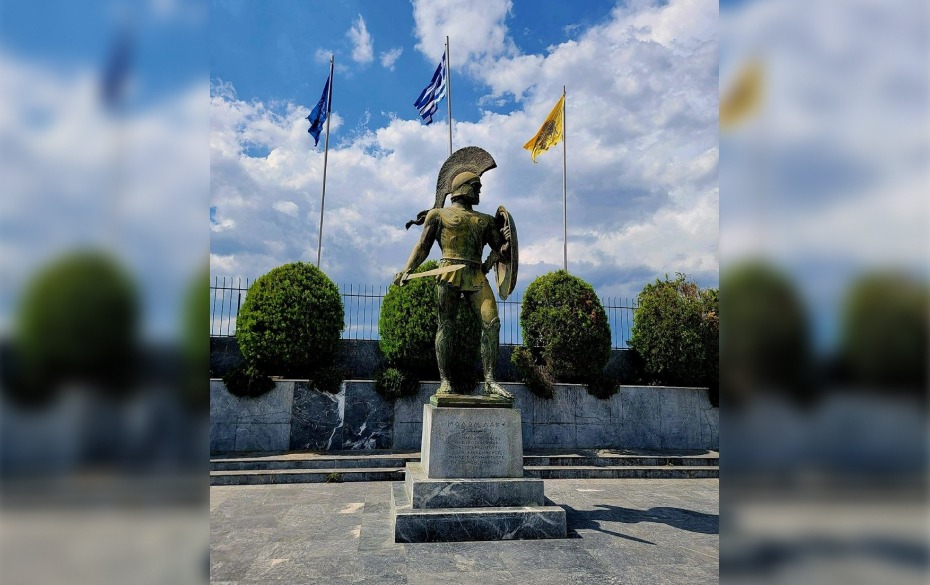
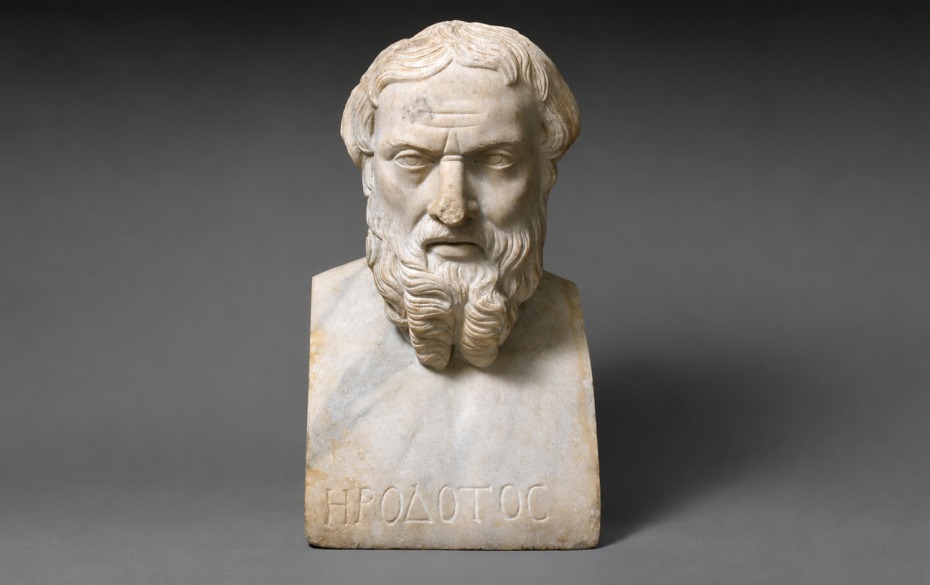
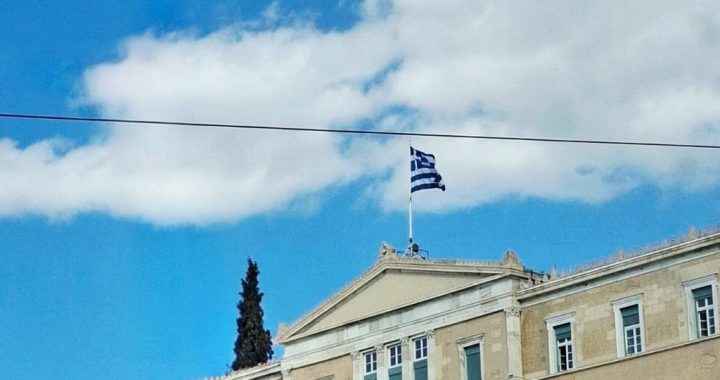
Greece is an ancient and great country. The Greeks gave the world everything that is today considered a benchmark and classic: government, democracy, architecture, philosophy,…